Motivated Seller Real Estate: The 2026 Investor's Guide to Finding, Evaluating, and Closing Deals Fast
The real estate market in 2026 rewards speed, preparation, and the ability to recognize opportunity before competitors do. One of the most reliable paths to below-market acquisitions runs straight through motivated seller transactions—deals where the property owner prioritizes closing quickly over squeezing out every last dollar. Whether you're an investor building a rental portfolio, a first-time buyer trying to break into a competitive city, or a real estate agent looking to serve clients more effectively, understanding how to find motivated sellers, evaluate their situations, and close deals ethically can transform your results.
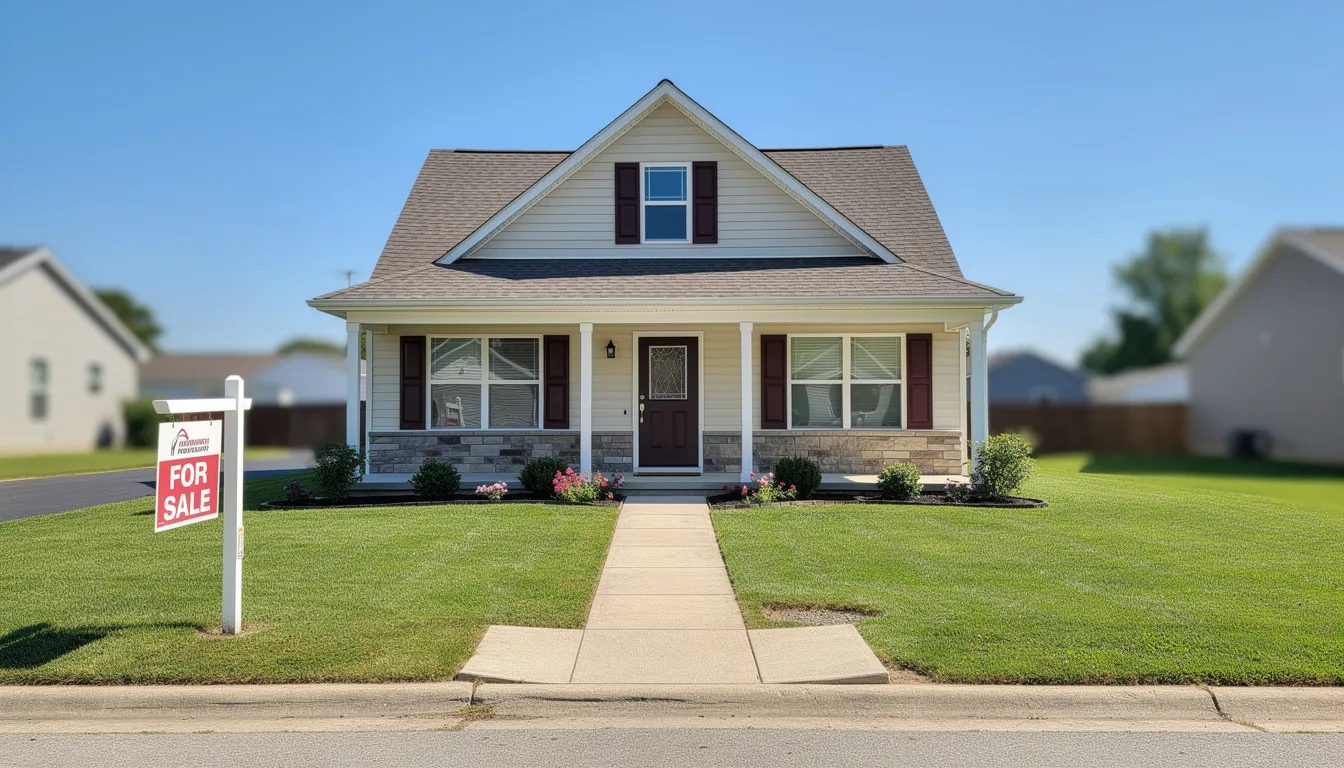
What Is a Motivated Seller in Real Estate?
A motivated seller is a property owner who needs to sell their property within a specific, often tight, timeframe—and is willing to accept trade offs to make that happen. Unlike a typical home seller focused on getting the highest price possible, a motivated seller prioritizes certainty and speed over maximizing profit. This urgency typically stems from personal circumstances, financial pressure, or life transitions rather than market conditions alone. They are willing to negotiate on price, often accepting offers below market value to achieve a quick sale, show flexibility on repairs by frequently selling in the property's current condition without demanding fixes, and accept adjusted terms such as accelerated closing dates, waived contingencies, or creative financing arrangements. To learn more about finding motivated sellers to help grow your business, read 10 Proven Strategies to Find Motivated Sellers in Real Estate.
Why Motivated Sellers Matter for Buyers and Investors
In 2026, motivated sellers continue to shape how smart buyers and investors build wealth in real estate. Understanding seller motivation isn't just about finding a deal—it's about recognizing situations where both parties involved can benefit from a faster, simpler transaction.
Here's why motivated sellers matter:
Below-market purchase prices: Motivated sellers frequently accept offers 5–25% below recent comparable sales, creating instant equity for buyers willing to move quickly
Flexible terms: Investors gain negotiation leverage on closing timelines, as-is purchases, and contingency waivers that wouldn't fly with traditional sellers
Faster portfolio growth: Investors who consistently target motivated seller opportunities can acquire properties at a pace that compounds over time, turning one deal into a sustainable investment strategy
First-time buyer advantages: In competitive markets like Nashville or Austin, recognizing a motivated seller and moving fast can help first-time buyers win homes that many buyers overlook or lowball incorrectly
Agent effectiveness: A real estate agent who understands seller motivation can structure contracts that close reliably, building a reputation for closing deals that stick
Whether you're focused on a single purchase or scaling an investment portfolio, motivated sellers represent some of the most consistent opportunities in the market.
Common Reasons Sellers Become "Highly Motivated"
Urgency in real estate almost always traces back to life events, financial pressure, or external circumstances that force a decision. Understanding these triggers helps buyers identify potential sellers and approach conversations with the right tone.
Common motivations include:
Imminent job relocation: A seller who accepted a position in another city or state cannot afford to wait months for top dollar.
Pre-foreclosure and foreclosure risk: Homeowners behind on mortgage payment or facing delinquent taxes may sell quickly to avoid losing the property entirely. To learn tips for working with these specific situations, see Foreclosure Leads: Your Guide to Finding Profitable Opportunities.
Divorce proceedings: Court deadlines often require couples to liquidate the house and divide proceeds within a set timeframe
Death of an owner: Heirs or estate executors need to settle the estate, often preferring cash over managing an inherited property. These instances require a different level of consideration and care, for tips on connecting with these kind of owners, read How to Approach a Family Selling a Probate Home: Best Practices and Tips.
Rising carrying costs: Ongoing expenses for taxes, home insurance, HOA fees, and vacancies can turn a property into a financial burden that the owner needs to shed
Vacant or out-of-state properties: Absentee owners struggle with management across the country and often prefer to sell fast rather than deal with ongoing hassle
Landlord burnout: Property owners tired of problem tenants or navigating new 2024–2025 local regulations may want out regardless of price
The key insight: motivation is about the seller's situation and timeline, not necessarily the property's condition. A pristine home owned by someone facing financial distress can be just as motivated as a fixer-upper.
10 Types of Motivated Sellers Investors Should Know
Certain seller profiles appear repeatedly in real deals. Recognizing these patterns helps investors tailor their outreach and negotiation approach.
Owners facing foreclosure or tax sale: After 90+ days of missed payments, these sellers often accept significantly lower offers to avoid credit damage and walk away with something
Banks holding REO properties: Real estate owned by lenders after failed auctions sits on their books as a liability—they're often eager to move it at a discount
Heirs in probate: Inherited properties come with emotional and financial complexity; many heirs prefer a quick cash offer to months of management
Landlords with problem properties: Long-term vacancies, major repairs, or non-paying tenants push landlords toward fast sales
Owners of damaged homes: Storm or fire damage where insurance doesn't cover full repairs creates sellers who can't afford to fix and list traditionally
Divorcing couples: Court-mandated deadlines create hard timelines that override price optimization
Double mortgage holders: Sellers who bought a new home before selling the old one face mounting payment pressure with each passing month
Retiring investors: Portfolio liquidation (often 3–10 rentals) for retirement cash creates motivated multi-property sellers
Absentee owners: Managing property from another state means higher costs, more hassle, and often willingness to sell quickly
Business owners needing equity: Entrepreneurs who need cash to stabilize or close a business may leverage home equity through a fast sale
Each type requires a different tone. Approaching an heir settling their parent's estate demands empathy; negotiating with a bank's asset manager requires professional efficiency. Adjust your strategy to the seller's circumstances.

How to Recognize a Motivated Seller (Online and In-Person)
Motivated sellers often signal their urgency through pricing, language, and behavior—if you know what to look for. Combining multiple clues produces more reliable identification than any single indicator.
Listing language to watch for in 2024–2025: Listings that use phrases like "highly motivated seller," "must sell," "bring all offers," or "priced to sell quickly" often indicate urgency. Other common terms such as "sold as-is," "needs TLC," "investor special," and "cash buyers only" also signal a seller's motivation. Additionally, listings mentioning "estate sale," "relocating," or "company transfer" suggest circumstances driving a quick sale.
Pricing and days-on-market signals: Sellers who reduce their price multiple times within 30 to 60 days are likely becoming more flexible. A listing priced 10–15% below comparable sales in the same neighborhood from the start often shows urgency. Extended days on market (90+ days) combined with recent price drops typically indicate increasing motivation over time.
Behavioral cues at showings:
Seller presence emphasizing urgency to close quickly, openness to unconventional terms like early occupancy or leasebacks, and prompt responses to showings and inquiries are strong indicators of a motivated seller. Experienced investors and agents look for a combination of these signs—such as below-market pricing, "bring all offers" language, and seller focus on timing—to identify high-probability motivated seller opportunities.
Pros and Cons of Working With Motivated Sellers
Motivated seller deals can generate strong potential profit for buyers and investors—but they're not without risk. Understanding both sides helps you approach these transactions with realistic expectations.
Pros:
Potential to buy 5–25% below recent comparable sales, especially in slower markets or buyer's market conditions
Greater flexibility on repairs, closing timelines, and contingencies compared to standard transactions
Faster closings, sometimes completing in 7–14 days with cash or hard money financing
Opportunities for creative financing like seller carryback notes, subject-to existing loan, or lease-option arrangements
Less competition from other investors who miss the signals or move too slowly
Cons:
Properties frequently come with deferred maintenance or physical distress that requires capital for repairs
Higher risk of title issues, liens, or code violations if due diligence gets rushed in the push for speed
Emotionally stressed sellers can back out, change terms mid-negotiation, or become difficult to reach
Ethical questions arise if buyers don't clearly explain all options to sellers under pressure
The takeaway: speed matters with motivated sellers, but never skip the fundamentals of verification.

Key Legal and Financial Considerations in Motivated Seller Deals
Speed should never replace proper legal and financial verification. Cutting corners on due diligence can turn a profitable deal into a costly mistake.
Core legal considerations:
Mandatory property disclosures: Requirements vary by state. California's Transfer Disclosure Statement (TDS) and Texas's Seller's Disclosure Notice both require sellers to reveal known issues—but disclosures only cover what sellers know or admit
Title search and title insurance: Essential for uncovering liens, judgments, unpaid taxes, or competing ownership claims before you take the property
Foreclosure timelines: Each state has different foreclosure processes and redemption periods. In judicial foreclosure states, sellers may have months; in non-judicial states, weeks
Recording requirements: Ensure deeds and other documents get properly recorded to protect your ownership
Key financial issues:
Existing loan balances: Verify what the seller owes, including any prepayment penalties that could affect their net proceeds and flexibility
Closing cost estimates: Account for back taxes, HOA arrears, and transfer fees that must get paid at closing
Short sale complexities: If the seller owes more than the property is worth, lender approval is required—often taking 60–120 days, which defeats the purpose of a fast sale
Both buyers and sellers should consult qualified real estate attorneys or licensed professionals before signing. The cost of professional review is minimal compared to the risk of a bad title or missed lien.
How to Find Motivated Seller Leads in 2026
Consistent deal flow comes from combining digital and offline strategies. Relying on a single channel creates feast-or-famine cycles; diversification produces steady opportunities.

Digital strategies:
Pay-per-click (PPC) advertising: Run Google and Bing ads targeting phrases like "sell my house fast in [city] 2026" and "cash home buyers [state]." These capture sellers actively searching for solutions
Social media advertising: Facebook and Instagram ads targeting homeowners aged 35–70 in specific ZIP codes can generate leads through simple lead forms and landing pages
SEO content: Publishing location-specific content like "We Buy Houses in Phoenix" pages and motivated seller guides builds organic traffic over time
Online directories: Listing in "we buy houses" directories captures sellers comparing options
Offline and relationship-based strategies:
Direct mail campaigns: Send letters or postcards to absentee owners, pre-foreclosure lists, and high-equity homeowners using county tax and deed records. For tips on setting up your first direct mail campaign, see Maximize Your Impact with Real Estate Direct Mail Strategies for 2025.
Professional networking: Build relationships with probate attorneys, divorce lawyers, and local property managers who encounter motivated sellers early in their process
Driving for dollars: Physically identify distressed or vacant properties in target neighborhoods, then research ownership and reach out directly
Bandit signs: Simple "We Buy Houses" signs in high-traffic areas still generate leads in many markets (check local sign ordinances first)
Serious investors should track campaigns in a CRM or spreadsheet, recording cost per lead, lead source, and deals closed. This data reveals which channels deserve more money and which to cut.
Working With Motivated Seller Lead Services
Many investors supplement their own marketing by purchasing motivated seller leads from specialized services. Understanding how these services work helps you evaluate whether they fit your strategy.
How lead services typically generate leads
Lead services generate motivated seller leads by ranking websites for searches like "sell my house fast" in target markets, running paid advertising campaigns on platforms such as Google, YouTube, Facebook, and real estate portals, and capturing seller information through web forms, phone calls, and chat widgets.
Key variables to compare when evaluating services
Pricing models: Options include per-lead pricing by county or state, monthly subscription plans, or auction-style bidding for leads in competitive areas
Lead quality controls: Better services filter out MLS-listed properties, wrong numbers, and tire-kickers before delivery
Refund policies: Look for clear credit or refund terms for invalid, duplicate, or uncontactable leads, typically with 7–10 day dispute windows
Exclusivity: Some services sell leads to multiple buyers; others offer exclusive leads at higher prices
Delivery methods
Investors receive instant notifications via email and SMS sent to multiple team members for faster response times. These leads can be integrated seamlessly with popular CRM platforms such as Podio, Follow Up Boss, or HubSpot. Additionally, web dashboards and mobile apps provide convenient access for reviewing leads on the go, while simple CSV exports allow for manual tracking and record-keeping.
The most important factor isn't the lead service itself—it's your speed and consistency in following up. A mediocre lead called within 5 minutes often beats a great lead called two days later.
Best Practices for Handling and Converting Motivated Seller Leads
Once a motivated seller reaches out, your response speed and approach determine whether the lead converts to a deal or evaporates. Empathy and efficiency matter equally.
Operational best practices:
Call or text new leads within 5–10 minutes during business hours, while after-hours leads should receive a response first thing the next morning. Use a simple intake script to cover key details such as the timeline, property's condition, approximate mortgage balance, asking price expectations, and reason for selling. It is important to record detailed notes immediately after each call, as memory fades quickly when handling multiple leads.
Relationship-building approach:
Listen actively before making any offer, as rushing to a lowball offer in the first two minutes can kill trust. Ask open-ended questions like "What would an ideal outcome look like for you?" to gain deeper insights rather than simply inquiring about their bottom line. When appropriate, present multiple options—such as a cash offer versus listing with an agent—to demonstrate your focus on their needs, not just your deal.
Follow-up discipline:
Schedule at least 3 to 5 follow-up touches over a period of 14 to 30 days if the seller doesn't commit immediately, as many deals close on the third or fourth contact rather than the first call. It is important to track all conversations, promised callbacks, and next steps in a CRM or spreadsheet with dates to maintain organization and ensure timely follow-up.
Documentation for offers:
Take photos during walkthroughs and record voice notes on needed repairs. Get contractor repair estimates before finalizing offers to justify your numbers logically. Keep records of comparable sales you used to determine your offer price. Converting motivated seller leads is a process, not a single conversation, and consistency in follow-up separates investors who close deals from those who wonder why their leads don't convert.
Negotiating With Motivated Sellers: Strategy Over Pressure
Ethical, win-win negotiations produce sustainable success. Aggressive tactics might close one deal but destroy your reputation and referral potential.

Core negotiation principles: Start by clarifying the seller's top priority, whether it is timing—such as closing by a specific date—certainty, like knowing the deal won't fall through, or net proceeds, meaning walking away with a specific dollar amount. Use recent comparable sales and repair estimates to explain your offer transparently, showing your calculations rather than just naming a number. Offer clean terms, including fewer contingencies, a faster close, and as-is condition, since these non-price factors often matter more to a motivated seller than a few thousand extra dollars.
Structuring offers: When making offers to motivated sellers, it is effective to present at least two options whenever feasible. For example, you might propose a lower all-cash price with a 10-day close, or alternatively, a slightly higher price with a 30-day close that includes an inspection contingency. Creative solutions can also help bridge gaps, such as offering seller credits for known issues, short-term rent-backs if the seller needs time to relocate, or assuming responsibility for existing tenants.
Ethical boundaries: It is critical to maintain honesty and transparency throughout negotiations. Never mislead sellers about market value or withhold information about their options. Encouraging sellers to consult a trusted advisor—such as a real estate agent, attorney, or financial planner—before signing any agreements is important, especially when large equity positions are involved. Always document that disclosures have been made and that the seller understands their choices.
Example scenario:
A duplex in Memphis lists at $320,000 but has sat for 75 days with two price reductions. The seller, a retiring landlord, mentions during the showing that he wants to "be done with tenants" and close before year-end. The investor presents two options: $270,000 cash with a 21-day close, or $285,000 cash as-is with a 10-day close and the investor assuming the existing month-to-month leases. The seller accepts the $285,000 option—the faster timeline and certainty outweigh the $15,000 difference.
Step-by-Step Example: From Motivated Seller Lead to Closed Deal
This walkthrough illustrates how a motivated seller transaction unfolds in practice.
Day 1: Investor receives a lead from a homeowner who submitted a "sell my house fast" form online. The seller mentions being two months behind on mortgage payment and worried about credit damage. Investor calls within 10 minutes, schedules a walkthrough for the next morning
Day 2: On-site visit reveals a 3-bedroom single-family home needing approximately $25,000 in repairs (roof, HVAC, flooring). Seller confirms two missed payments and a notice from the lender. Property shows well despite deferred maintenance
Day 3–4: Investor pulls recent comps showing ARV (after-repair value) of $340,000. With $25,000 in repairs and desired margin, investor prepares two written offers: $245,000 cash as-is with 14-day close, or $260,000 with 21-day close and buyer covering all closing costs
Day 5: Seller reviews options with a family member, accepts the $245,000 offer with 14-day close. Purchase agreement signed, earnest money deposited, title company engaged
Days 6–13: Title search reveals a $3,200 utility lien. Investor negotiates seller credit at closing to cover it rather than delaying. Title company prepares closing documents. Investor confirms hard money financing is ready to fund
Day 14: Closing occurs at the title company. Seller receives net proceeds after paying off the mortgage balance, avoids foreclosure on their credit, and walks away relieved. Investor takes possession and begins coordinating the rehab
Total timeline from lead to closed deal: 14 days. Seller solved their financial distress problem; investor acquired a property with $70,000+ in potential profit after repairs and resale.

Conclusion
Motivated seller real estate transactions offer unique opportunities for buyers, investors, and agents to close deals faster and often at favorable terms. By understanding the motivations behind a seller's urgency and approaching negotiations with empathy and strategy, you can unlock savings and investment opportunities while helping sellers move on quickly. Staying informed and responsive in 2026's dynamic market will position you for success in closing deals that benefit all parties involved.