The Best Ways to Buy Probate Leads and Boost Your Real Estate Success

What Are Probate Leads (and Why Investors Buy Them)?
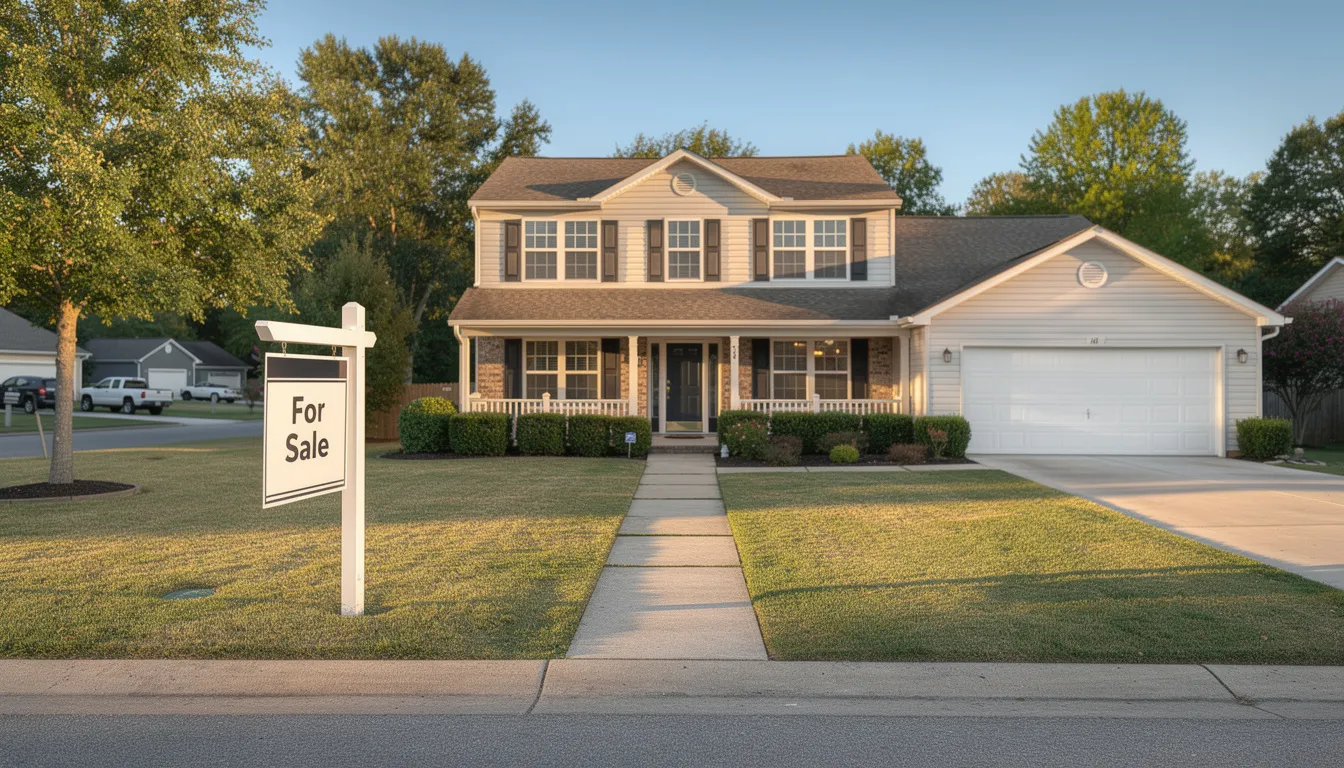
Probate leads are contact and case data for heirs, estate executors, or personal representatives of estates where the property owner has died and real estate may need to be sold. These leads come from probate records—court filings that trigger the legal process of validating a will, settling debts, and distributing assets. In the U.S., probate filings typically begin 30–180 days after death and can take 6–24 months to resolve, providing a long runway for investor outreach. Probate properties are often sold as is, with heirs motivated to liquidate quickly due to reasons such as splitting inheritance, paying debts or taxes, managing out-of-state properties, or avoiding costly repairs on older homes.
A typical bought probate lead includes these core data points:
Decedent name: Name of the deceased property owner
Filing date: When the probate case was opened
Case number: Court reference for the estate
County: Jurisdiction handling the case
Executor/PR name: Person authorized to act for the estate
Mailing address: Where to send outreach materials
Property address: Location of real estate involved (when available)
Estimated equity: Approximate value minus liens (on enhanced lists)
These leads attract real estate professionals because they represent less competition than typical motivated-seller lists. Fewer than 10% of real estate agents specialize in probate real estate, which means fewer agents are calling, mailing, or knocking on doors. Combined with potential discounts of 10–20% below market value and opportunities for value-add rehabs, probate leads offer a niche market with strong margins. To learn more about working with these leads and if it might be a good fit for you, check out The Best Probate Leads for Real Estate Investors in 2025.
Types of Leads You Can Buy (Probate, Pre-Probate & More)
Investors rarely buy probate leads alone. Most successful operators combine several related niche lead types to build a consistent deal pipeline across different stages of motivation and competition.
Standard Probate Leads
These are cases already filed in probate court with an appointed personal representative who has legal authority to sell the property. Probate filings become part of public records once processed, which is why multiple lead providers can access the same core data. The key differentiator is how quickly providers update their lists and what enhancements they add.
Pre-Probate / Inheritance Leads
Pre probate leads target deaths recently recorded—from obituary and death index data—where probate has not yet been filed. These leads are earlier in the timeline, often 30–90 days ahead of when cases appear in probate court records. The advantage: your letter or call arrives before the executor's mailbox is saturated with competing offers. The tradeoff is that legal authority to sell may not yet be established, which means longer nurturing cycles. To learn more about this method, which allows you to get ahead of many other interested investors, see Understanding Pre Probate vs Probate Leads: Key Differences Explained.
Related Niche Leads Investors Stack
Many investors combine probate and inheritance leads with other niche lists such as divorce leads, where properties are often liquidated during settlement; tax-delinquent lists that highlight owners facing financial pressure; pre-foreclosure leads representing motivated sellers eager to avoid auction; and inherited absentee-owner lists featuring heirs living out of state. USLeadList specializes in high-intent pre-probate and inheritance data tailored specifically for real estate deal-making, rather than generic list brokering.
USLeadList: Pre-Probate & Inheritance Leads
USLeadList built their lead products specifically for real estate pros who need accurate, actionable data without the heavy lifting of courthouse research.
Their Specialized Leads
USLeadList's pre-probate and inheritance leads are based on verified deaths—cross-referencing obituaries, public death indices, and address data—where probate has not yet been filed. This gives investors a 30–90 day head start before most "probate-only" lists even exist. This head start allows investors and agents to market to these leads with intention and empathy in order to help solve their real estate problems early on.
List Formats and Delivery
New leads delivered monthly with fresh data
Historical backdata available for larger campaigns targeting older cases
CSV formatting that integrates easily with common real estate CRMs
Filters by every county in the United States
How to Evaluate Probate Lead Companies Before You Buy
Not all probate lead providers are equal. Data accuracy and speed matter more than raw volume—100 accurate, current leads will outperform 500 stale or incomplete records every time.
Data Freshness
Look for providers updating at least monthly, ideally within 2–4 weeks of court filings or obituary publication. Ask directly: "How often do you pull new records, and what's the lag time between filing and list delivery?"
Coverage Detail
Before purchasing probate leads, evaluate coverage factors such as the specific counties included, not just the states, and the years of historical data available. It's important that the list covers both large urban markets like Los Angeles County and Cook County, as well as mid-sized markets, and that new counties can be added upon request.
Data Depth and Enhancements
High-quality probate leads go beyond basic case information by including phone numbers for heirs and executors, either skip-traced or appended. They may also provide multiple heir contacts when applicable, along with property characteristics such as the number of bedrooms, square footage, and year built. Additionally, estimated equity or mortgage information is included when available.
Usability
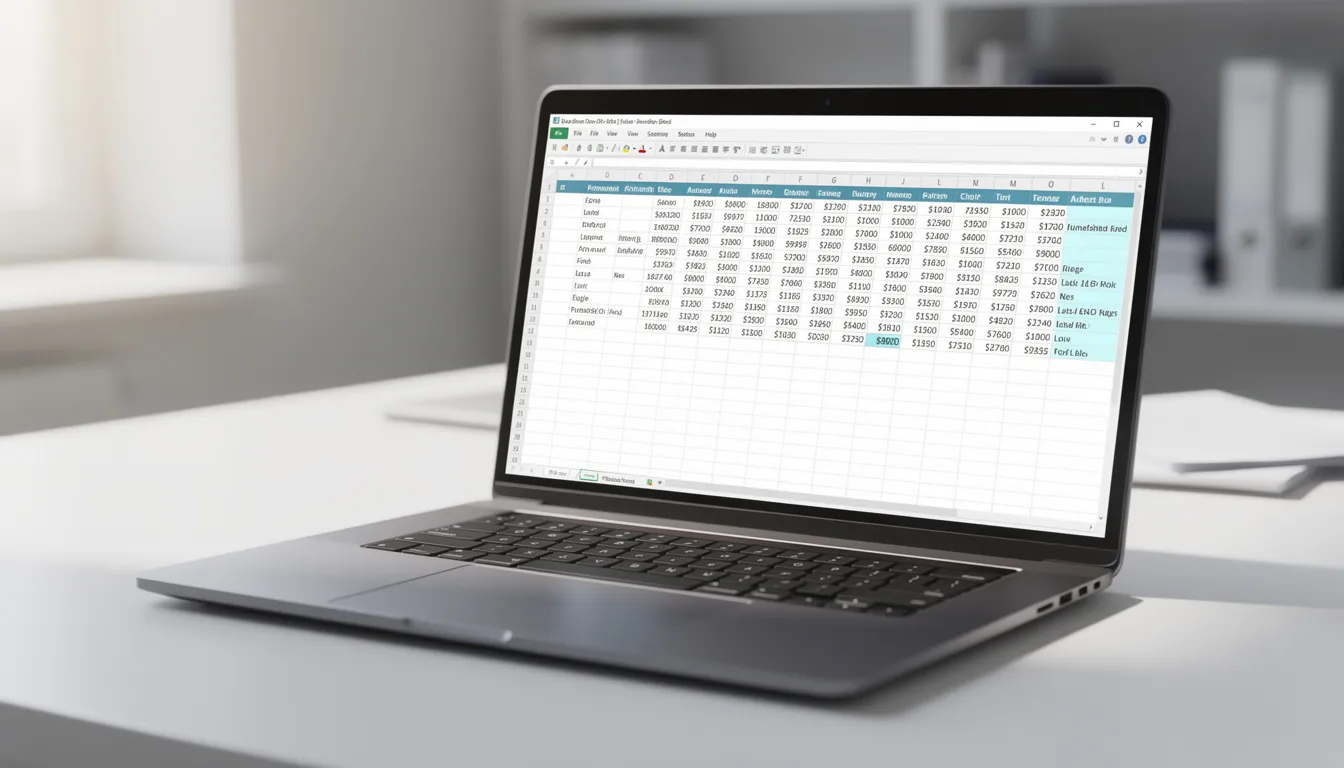
Your probate property list should be ready to use immediately, provided in clean CSV or Excel export formats. It should offer simple filters by county, filing date, and property type, and be easy to import into popular CRMs like REsimpli, Podio, or other real estate-specific systems.
Customer Support and Training
A valuable resource beyond raw data includes onboarding calls, sample marketing materials, proven scripts, and campaign examples. Providers who help you actually use the leads—not just deliver a spreadsheet—make all the difference in conversion rates.

What Does It Cost to Buy Probate Leads?
Probate leads are typically sold on a subscription or per-county basis, with pricing driven by population size and data depth. Larger counties with more probate cases command higher prices, while rural markets cost less.
Realistic Price Ranges
County Size and Monthly Cost Range:
Small/rural counties: $70–$250 per month
Mid-sized metros: $200–$500 per month
High-population counties: $300–$1,200+ per month
Pricing Models
Monthly subscriptions by county: The most common model. You pay a flat monthly fee for all new leads in your selected markets.
Per-record bulk purchases: Some providers sell historical data at a per-lead rate—useful for backfilling campaigns or testing new markets.
Done-for-you enhanced lists: Premium tiers with phone append, property screening, and equity estimates typically cost 30–50% more than basic probate filings.
Pre-probate/inheritance leads often cost slightly more per record than basic probate filings due to the extra research and matching required to link death records with property ownership.
Probate vs. Pre-Probate / Inheritance Leads: Which Should You Buy?
Many investors debate whether to focus on traditional probate or earlier pre-probate/inheritance leads. The answer depends on your market competition and patience for longer sales cycles.
Benefits of Traditional Probate Leads
Traditional probate leads offer several advantages. The personal representative is already appointed and has the legal authority to sell the property, which simplifies the decision-making process and benefits from court oversight. Property details are more often recorded in probate cases, and in most states, the executor can legally sign contracts without needing additional court approvals.
Benefits of Pre-Probate / Inheritance Leads
Pre-probate or inheritance leads provide the opportunity to reach out before mailboxes become saturated with competitor offers, giving investors more time to build relationships and establish trust with the family. This early contact allows investors to help heirs plan before formal probate begins, and these leads tend to be less competitive than established probate listings.
Recommended Blended Strategy
Consider allocating your budget with 50–70% toward probate leads, which have higher intent and clearer authority, and 30–50% toward pre-probate or inheritance leads, offering earlier contact and less competition. Adjust this balance based on your market—lean more toward pre-probate in highly competitive areas, and focus on traditional probate leads in less saturated markets. USLeadList provides both types, allowing you to test and find the best fit for your approach. To learn more about the differences between these leads and how to combine them to fit your strategy, Understanding Pre Probate vs Probate Leads: Key Differences Explained.

How to Work Probate Leads After You Buy Them
Buying probate leads is only step one. Consistent follow-up and a service-focused approach are what convert all the leads into actual deals. Most investors fail not because of bad data, but because they give up after one or two touches.
Marketing Channels and Best Practices
Direct mail: Use handwritten-style letters and simple postcards. Avoid using "URGENT" or other red-flag language to maintain a compassionate tone.
Phone calls: Approach with a warm, conversational tone. Focus on asking how you can help rather than leading with sales offers.
SMS (where compliant): Send short, personal messages that reference the property or family name to create a more personalized connection.
Email follow-up: Use nurture sequences to engage heirs who have responded but are not yet ready to proceed.
Sensitivity Matters
Probate marketing requires compassionate, service-oriented messaging that acknowledges the recent loss. Your outreach should offer solutions such as help coordinating estate clean-out or property repairs, connections to a probate attorney or attorney referrals for legal questions, fast cash offers for those who want to sell quickly, and full-service listing agent options for those who prefer market exposure. This is not the place for aggressive "We Buy Houses" messaging, as highly motivated sellers in probate situations respond better to patient, helpful approaches.
Example Follow-Up Cadence
Week 1: Personal letter introducing yourself and offering help
Week 2–4: Phone call attempts (2–3 tries, spaced out)
Week 4: Follow-up letter referencing your first contact
Week 6–8: Additional call attempts
Month 3: Check-in postcard or letter
Months 6–12: Quarterly follow-up for cases still open
Probate deals often take 6–12 months from first contact to closing deals. Patience and persistence beat volume every time.

Free vs. Paid Probate Leads: Where Courthouse Research Fits In
Investors can technically compile their own probate list using courthouse records, obituaries, and online public filings. This method costs nothing but time—and that's the tradeoff.
The Manual Method
Visit your county probate court during business hours
Pull 10–30 new filings per week from recent dockets
Copy executor names, case numbers, and property addresses
Hand-enter contact data into a spreadsheet
Skip-trace phone numbers using free or paid tools
Search online forums and local newspapers for obituaries to find pre-probate opportunities
Online Sources for DIY Research
County clerk portals often post probate cases online from previous months and years, alongside state court case search systems, local obituary sites, newspaper archives, and public notice publications where estate sales are posted. However, not all counties make these records easily accessible online, so availability varies significantly by market.

Common Mistakes When Buying Probate Leads (and How to Avoid Them)
Many new investors waste money not because of bad data, but because of poor strategy and unrealistic expectations. Here are the mistakes that kill ROI—and how to avoid them.
Mistake #1: Buying the Cheapest List Without Due Diligence
The lowest-priced online lead providers often deliver stale records, lack property verification, or provide incomplete contact information. It is essential to always inquire about the update frequency—ideally at least monthly—the presence of actual real estate ownership indicators, and to request sample data that you can verify before making a commitment.
Mistake #2: Using Aggressive Messaging
Treating probate like generic motivated-seller marketing backfires. Grieving families don't respond well to "URGENT: We need to buy your house NOW!" language. Expert advice from successful probate investors: lead with empathy and service, not desperation.
Mistake #3: Under-Mailing and Under-Calling
Sending one letter to a 2023 probate list and assuming leads are "bad" when there's no response is a rookie error. Probate leads typically need 5–7 touches over 3–9 months before converting. Build a follow-up system before you buy.
Mistake #4: Not Tracking Results
Without tracking response rates and deals per 100 leads, you can't optimize your efforts effectively. Use a simple CRM or spreadsheet to monitor key metrics such as the amount of mail sent per lead, the number of calls attempted and connected, appointments set, offers made, and deals closed to ensure you are managing and improving your outreach process.
Verification Before Commitment
Request a small sample batch (e.g., 20–30 leads from 2023 cases) before large purchases. Verify that properties exist, executors are correctly listed, and probate status matches court records.

Start Building Your Probate Pipeline
Probate and pre-probate leads are a reliable, recession-resistant source of off-market real estate deals, connecting you with highly motivated sellers facing estate challenges who need patient, genuine assistance. Whether focusing on one county or multiple states, success comes from buying quality data, consistent follow-up, and treating each lead with care. To avoid courthouse trips and data entry, consider USLeadList'sprobate and pre-probate/inheritance leads—test a market, track results, and scale what works.